
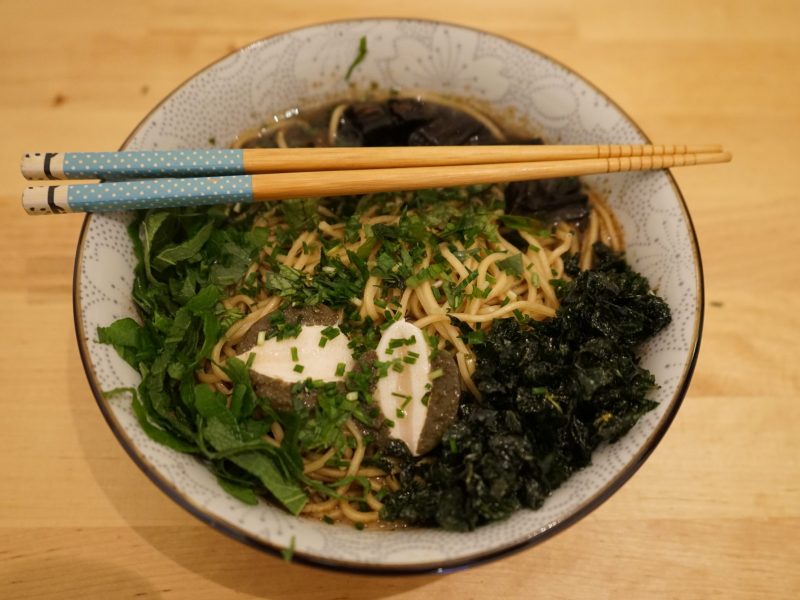
Ramen can be seen as a combination of 5 elements: broth, flavoring (tare), flavored oil, noodles, and toppings (for example egg, nori, greens). Aside from the noodles, we used wild ingredients for all elements. Starting from the stock, we used bladderwrack seaweed (Fucus vesiculosus) (introduced here) and boletus mushroom. We imitated miso based tare with koji fermented puffball (Calvatia gigantea) paste (described here). For the flavored oil, we used black wild garlic (Allium ursinum) and crow garlic (Allium vineale) oil (described here). For the toppings, we used fried ground elder (Aegopodium podagraria), which structure wise resembles nori, crow garlic, water
Category: Plants
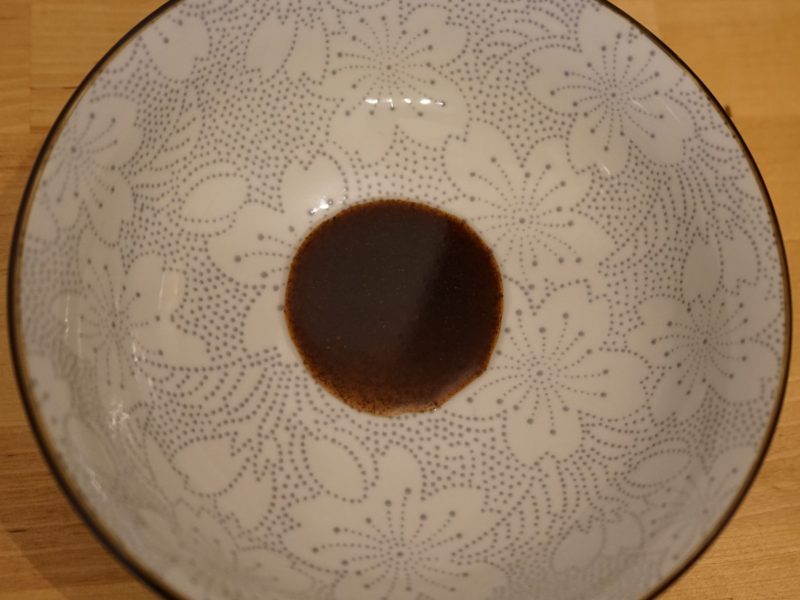
In this recipe, we show another application of wild garlic bulbs. We use two types of garlic: wild garlic (allium ursinum) and crow garlic (allium vineale). At the time when we made this recipe (fall), wild garlic doesn’t have any parts that grow above the ground so you would have dig up the bulbs from a known spot. In contrast, crow garlic does have leaves that grow above the surface at this time, although they can be a bit hard to spot between the grass. We used the bulbs of both plants to create Japanese black garlic oil, which is

This salad contains two types of seaweeds: sea lettuce (ulva spec.) and bladder wrack (Fucus vesiculosus L.), and two types of sea vegetable: sea rocket (Cakile maritima) and rock samphire (Crithmum maritimum). It can be hard to tell apart different types of seaweeds but luckily there are no poisonous ones. When you harvest them just make sure you pick them from a clean environment. The two types of seaweeds we picked are relatively easy to recognise. While determining the exact type of sea lettuce requires a microscope or even DNA research, for consumption purposes you only have be able to determine
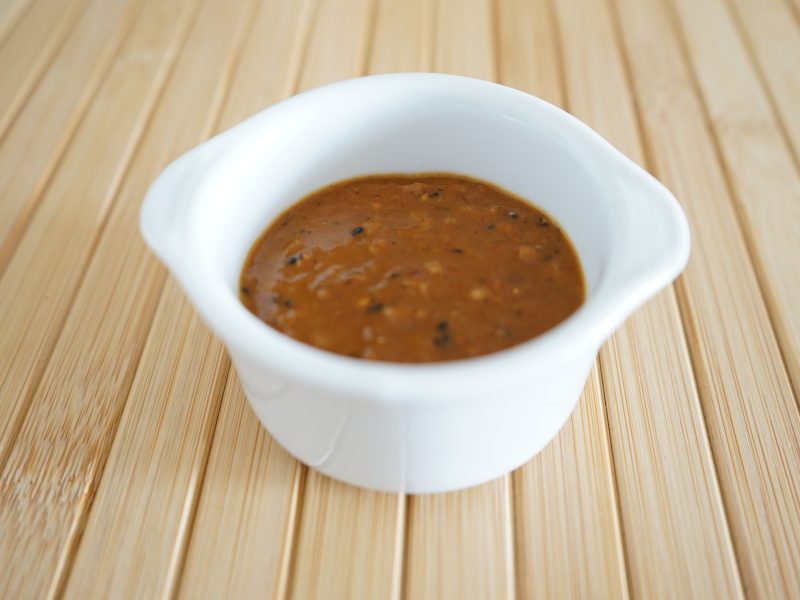
The main ingrediënt of this condiment are Seabuckthorn (Hippophae rhamnoides) berries. They have quite an acidic flavor making them suitable for chutney. Seabuckthorn berries are a true superfood. A quick search online shows many application of these berries in health improving products. The berries are rich in vitamin C and caretonoids. Seabuckthorn grows mostly in dune like areas but can sometimes also be found in more urban areas. We recommend to wear gloves when picking the berries because the berry bush can sting. To add some sweetness to our chutney, we used Chinese dogwood (Cornus kousa Hance) berries. These berries
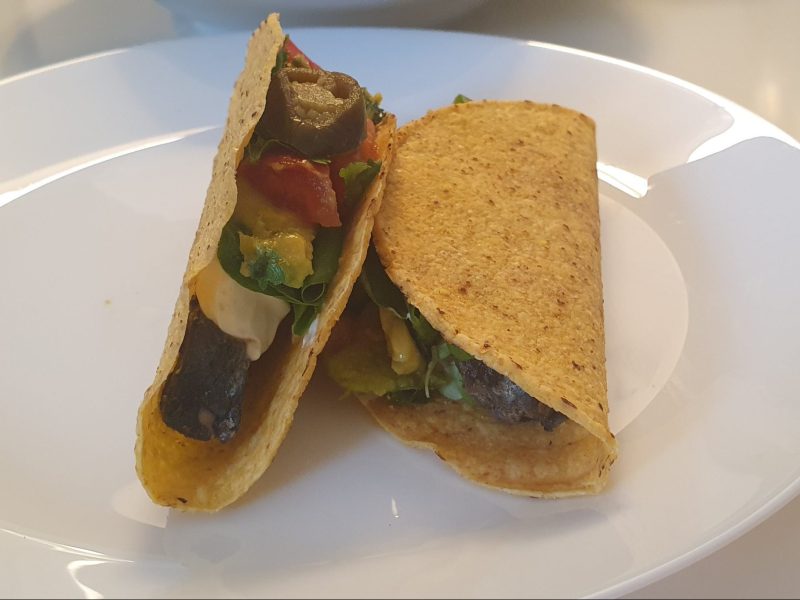
We used giant polypore (Meripilus giganteus) as a taco filling paired with water pepper (Persicaria hydropiper) spiced salsa. Both ingredients can be found in the summer and autumn. Giant polypore, also known as the blackening polypore, is as its names suggest a large mushroom with flesh that discolors black when bruised. It grows on trees or dead wood. Sometimes it can appear to be growing out of the soil while in fact there is a dead tree trunk hidden under ground. The mushroom has a chicken-like structure making it a good meat substitute. There are also no dangerous lookalikes making
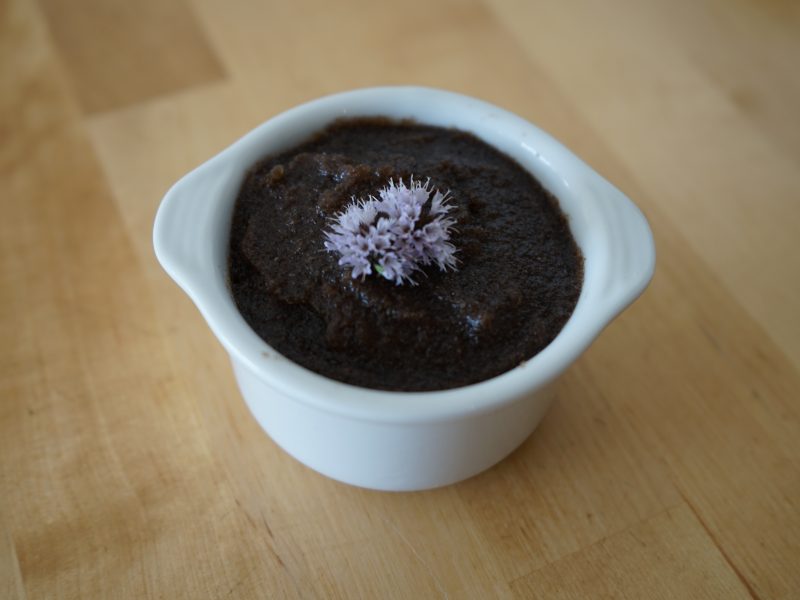
In this recipe, we make a mint-flavored jelly using wild water mint (mentha aquatica) and woodear mushrooms (auricularia auricula-judae) for gelatinization. Water mint is just one of the many kinds of wild mints. As its name suggests can be found close to water. It has purple flowers, which have a ball-like shape. Watermint (mentha aquatica) left and wood ear (auricularia auricula-judae) right Wood ears are amazing mushrooms. They are commonly used in Chinese cuisine in stir-fry dishes or salads. However, they also grow in Europe for most of the year when its not too warm. As the name suggests they
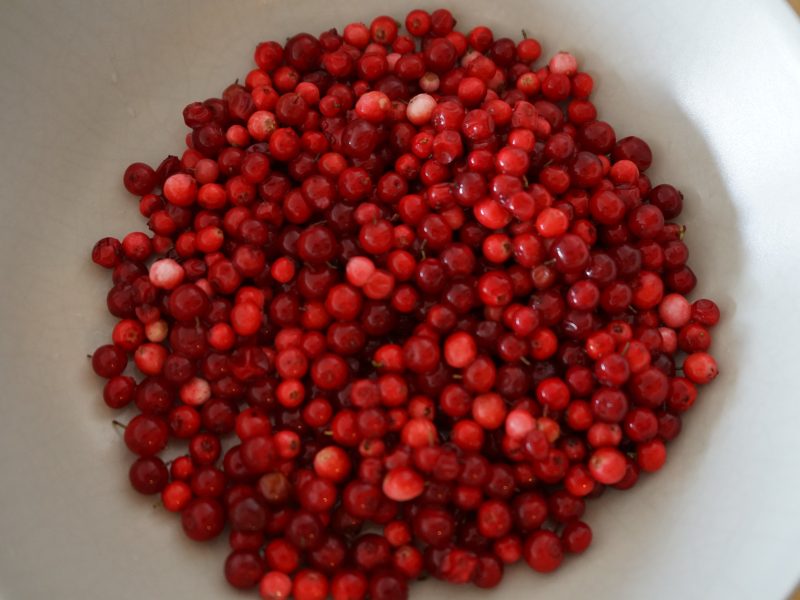
Norway is a true berry paradise. In the surrounding of Oslo, where we went for vacation, we found four types of berries: bilberries (Vaccinium myrtillus), wild raspberries (Rubus idaeus), wild strawberries (Fragaria vesca), and lingonberries (Vaccinium vitis-idaea). This last type is used for the classical Scandinavian lingonberry jam. Lingonberry jam is commonly used in Norwegian, Swedish, and Finnish cuisine. It can be served as condiment for meat or fish based dishes as well as in deserts. Lingonberry jam is easy to make. Pasteurized in a glass jar it can be stored for longer. Four Norwegian barriers: bilberries (Vaccinium myrtillus), wild
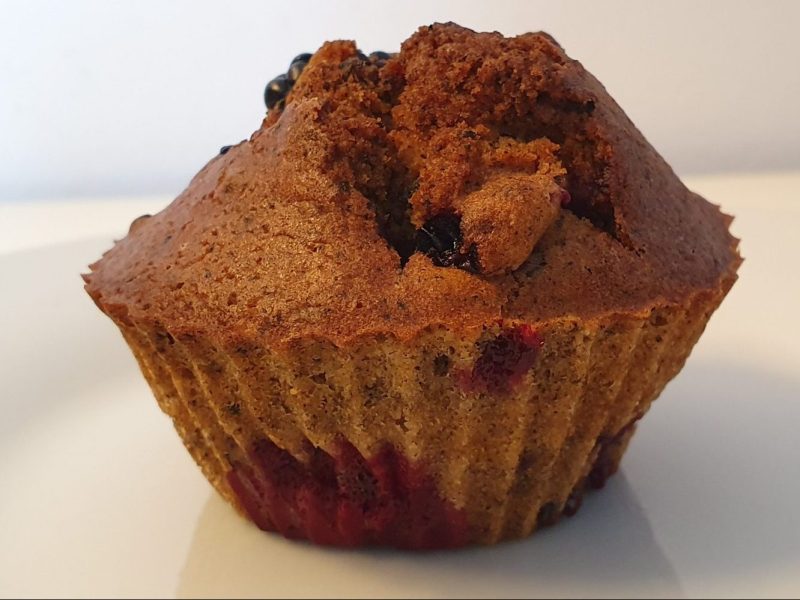
Do you remember our dandelion coffee recipe? We suggested using dandelion coffee waste for other recipes. Here is an example of how you can use them to bake coffee cupcakes. We also recommend adding wild blackberries or other types of berries, for example, wild blueberries.
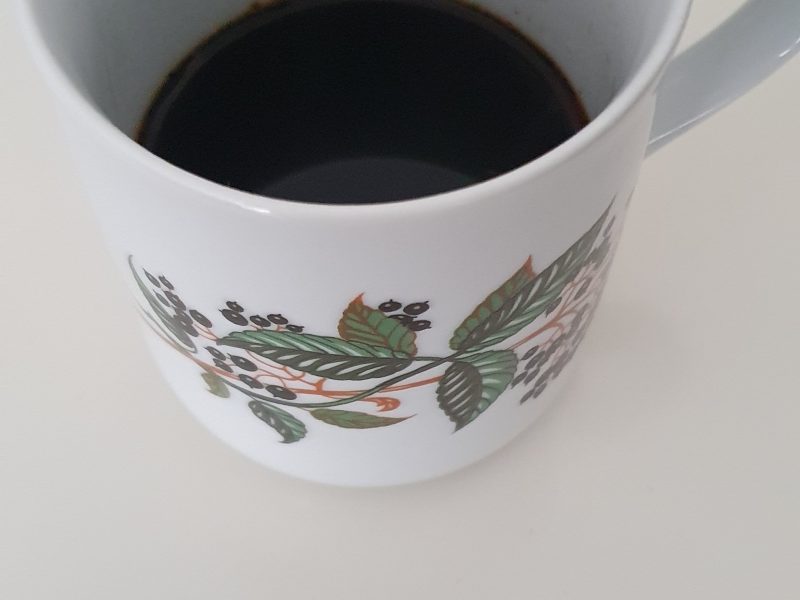
Dandelion (Taraxacum officinale) root is one of the many wild components that can be used to make surrogate coffee. In times where real coffee was scarce blends of various roasted roots and nuts were used as a coffee substitute. We have come full circle since nowdays these types of coffees are sold in biological shops as a hipster product rather than a poor mans coffee. To add something extra to this coffee, we used hogweed (Heracleum sphondylium) seeds which have a resemblence to cardemom.
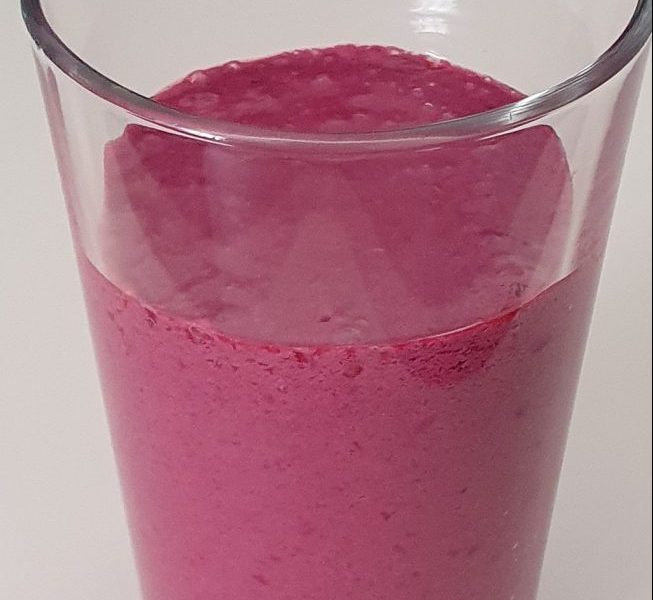
Blackberries (Rubus ulmifolius) do not need any special introduction. The ones from the wild are similar to those from a supermarket, however, somewhat smaller and they contain more pits. In this recipe, we used blackberries with refreshing apple mint (Mentha x rotundifolia) and nettle (Urtica dioica) and creamy coconut milk. This smoothie is great start of a hot summer day. Nettle can give you nasty stings and there are some preprocessing techniques you can use to neutralize the hairs on the leaves responsible for stinging. First of all its important to use good quality gardening gloves when picking the leaves.