
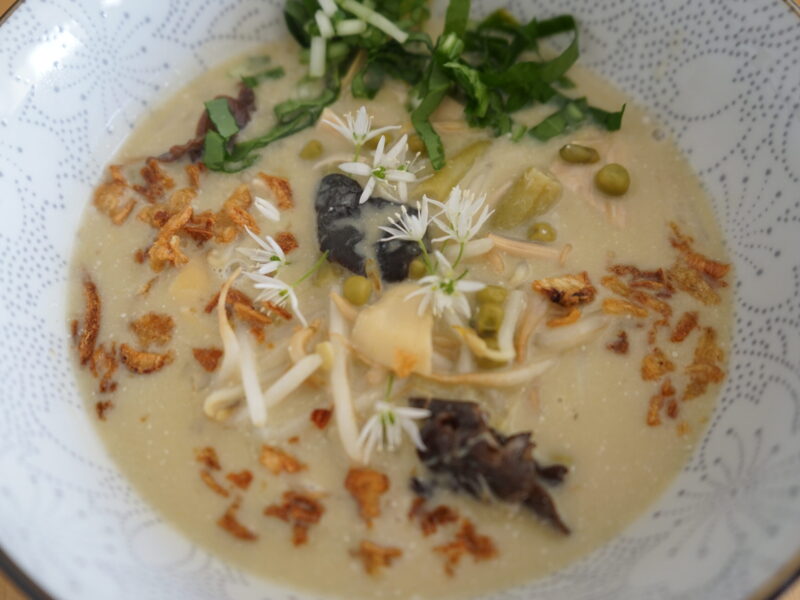
Japanese knotweed is an excellent spring vegetable for soup. Two years ago, we made a more filling ground elder-Japanese knotweed soup topped with St. George mushrooms. In this year’s recipe, we combined Japanese knotweed with coconut milk, creating a light, creamy, curry-like, fresh soup. We combined Japanese knotweed with seasonal fresh greens and added dried wood ears, saved during the winter season. For more recipes, see here.
Category: Hogweed
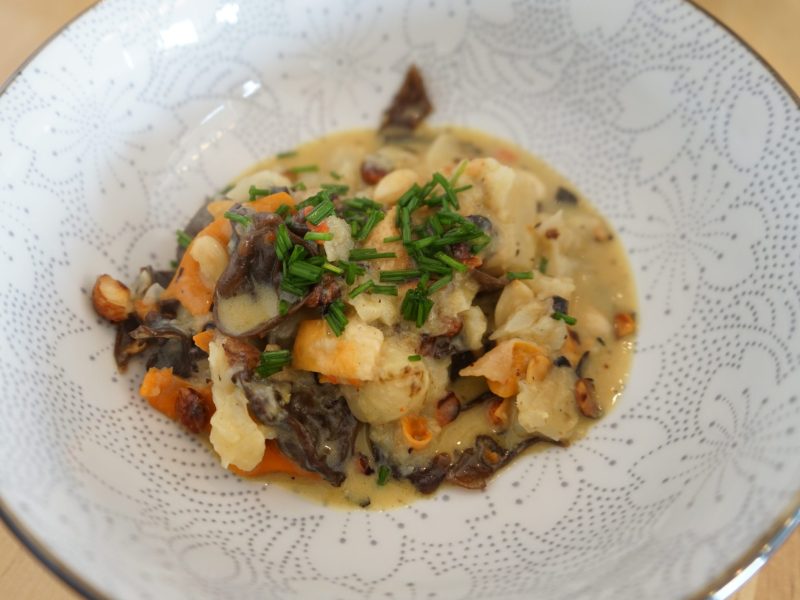
Massaman curry is a famous Thai curry that has been ranked number one in the CNN travel best food of the world ranking. There is some debate about the origin of this dish. The most widely accepted origin story is that this dish has Persian roots. This follows from the name of the dish and its ingredients. The word Massaman could be derived from the old Persian word for Muslim. The dish contains spices that are not common in other Thai curries and the trade in these spices was in the past dominated by Muslims. Key components of this dish

In this recipe, we made truly fermented pickles using wild aromatics. Most pickles, you can buy in shops, are not fermented but pickled using vinegar, which has its place, but gives a different flavor profile. In Eastern Europe, fermented pickles are strongly preferred and used as an ingredient, for example, in pickle soup (see serving suggestions). Typical aromatics added to pickles when fermenting are mustard seeds, horse radish, garlic, dill, and kale leaves. We found mustard (Sinapis arvensis) seeds in the wild. The other ingredients we substituted with garlic mustard (Alliaria petiolata) root, wild garlic (Allium ursinum) bulbs, hogweed (Heracleum
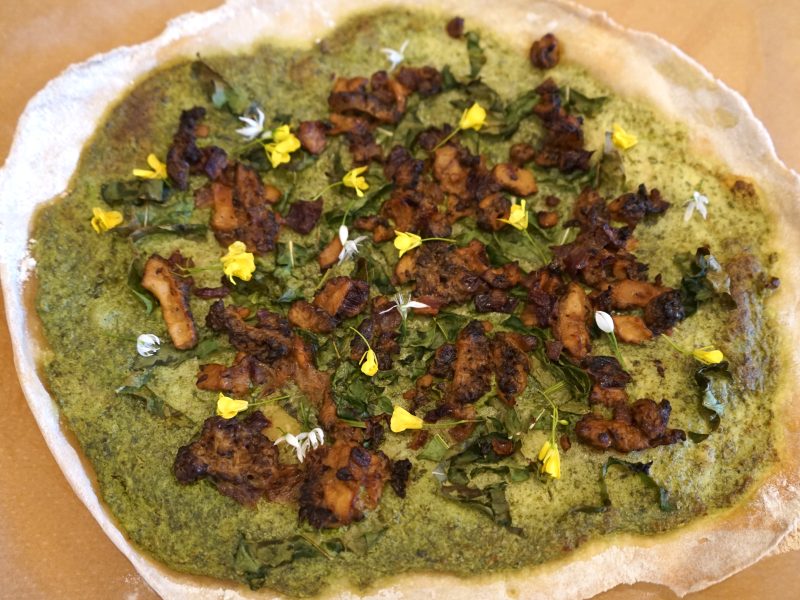
Tarte flambée or Flammkuchen is a type of flatbread with toppings that originated from Alsace. It is reminiscent of Italian pizza but tarte flambée dough does not contain yeasts. Tarte flambée can have a variety of toppings. The most well-known is the one with bacon, onion, and crème fraîche. This recipe was inspired by the Forestière variety of tarte flambée with mushrooms as a topping. Arguably the holy grail of mushrooms of the spring season are morels (Morchella). They have a very short season from late March until May (in Europe). Morels are a family of mushrooms with different subvarieties.
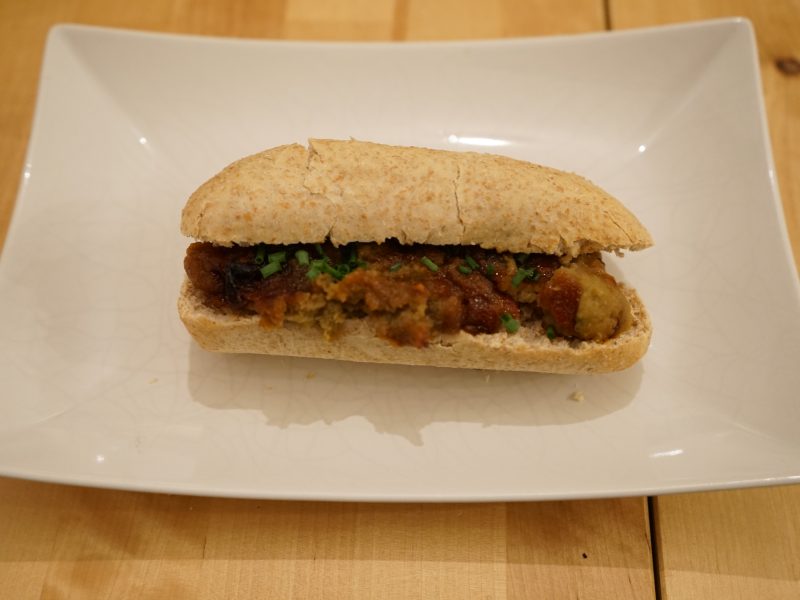
Pom is a Surinamese casserole made from the roots of pomtajer (Xanthosoma sagittifolium) with pieces of chicken, flavored with citrus juice, celery, and stock cubes. It originates from a potato-based dish introduced by European Jews, who came to Surinam in the 17th century. Pom is typically made on special occasions such as holidays or birthdays. Perhaps, this is due to practical reasons because, with a cooking time of around two hours, it is not exactly a quick dish. Pom is most often served with white rice or on a sandwich. We made a wild and vegan adaptation of this dish

With this recipe, we recreated a wild vegan version of a Dutch classic: the herring sandwich. The combination of fermented herring with onions and pickles dates back to the Jewish community of Amsterdam. They sold this trinity as a street food. Nowadays, you can find the herring special everywhere in the Netherlands in fish shops and at food stands as a topping for a sandwich. To give this dish a wild twist, we replaced the herring with fermented shaggy inkcap mushrooms (Coprinus comatus), the onions with crow garlic (Allium vineale) bulbs, and the pickles with quick pickled hogweed (Heracleum sphondylium)
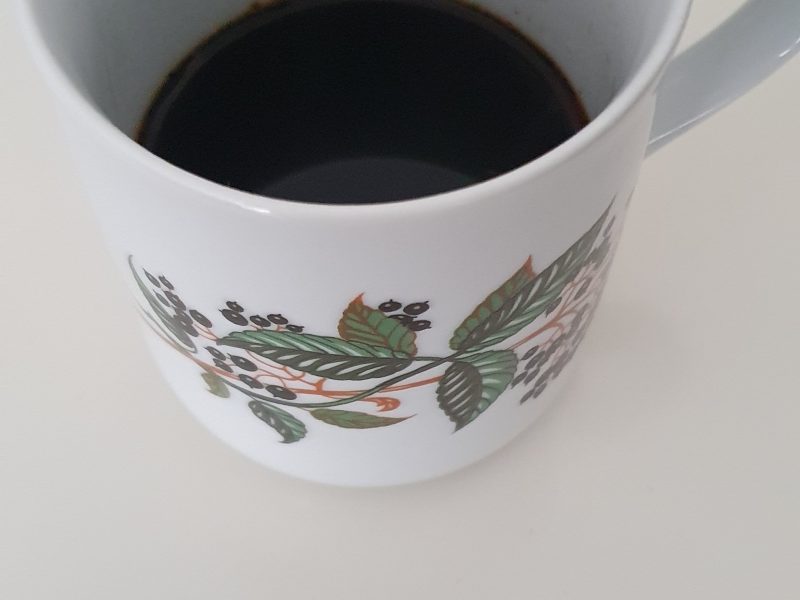
Dandelion (Taraxacum officinale) root is one of the many wild components that can be used to make surrogate coffee. In times where real coffee was scarce blends of various roasted roots and nuts were used as a coffee substitute. We have come full circle since nowdays these types of coffees are sold in biological shops as a hipster product rather than a poor mans coffee. To add something extra to this coffee, we used hogweed (Heracleum sphondylium) seeds which have a resemblence to cardemom.
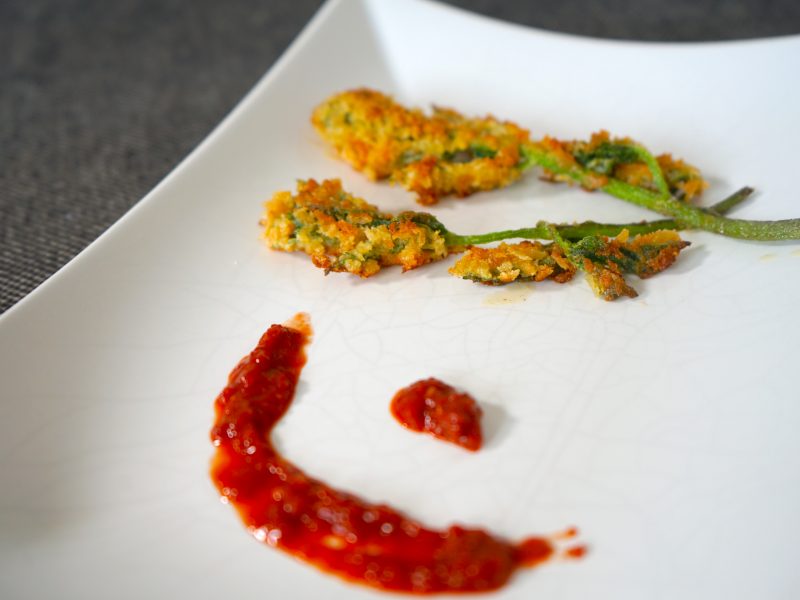
Hogweed (Heracleum sphondylium) was historically used as food, most notably as the foundation of the Eastern European soup known today as borscht. Borscht also happens to be the common name of this plant in Slavic languages, although hogweed is not used in the modern-day version of the soup. A variety of hogweed known as Persian hogweed (Heracleum persicum) is used as a spice in Persian cuisine. The common name of hogweed in English comes from its application as forage for hogs. When picking hogweed care should be taken to not confuse it with its bigger counterpart giant hogweed (Heracleum mantegazzianum).