
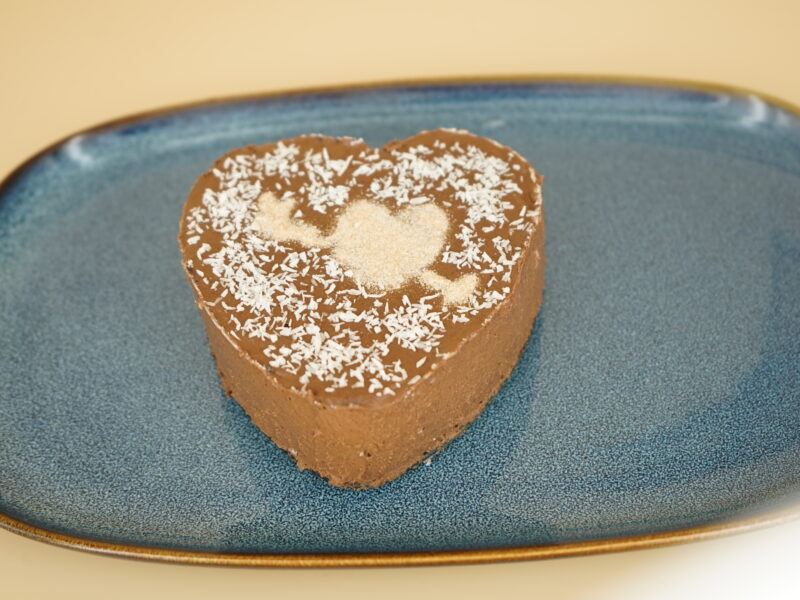
Wood ears (Auricularia auricula-judae) are a very versatile mushroom, as this recipe proves. They have no distinct flavor, so they can be used in savory and sweet dishes (for example, as thikening agent: https://chefofnature.com/?p=959). In this recipe, the mushroom provides a chocolate mousse texture to a Valentine’s chocolate cake.
Category: Winter
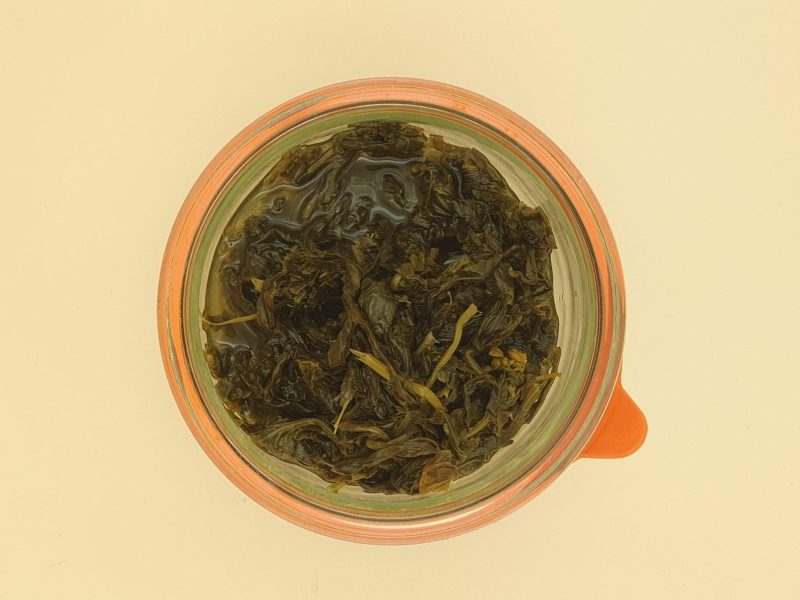
Saurkraud is a popular ingredient in many Easter European dishes. It can be used as a base for soups or as a dumpling filling. Saurkraud is made of fermented cabbage. The cultivated cabbage belongs to the same Brassica family as the black mustard (Brassica nigra) and wild (field) mustard (Brassica arvensis). Wild Brassicas have a stronger taste than their cultivated cousins, with noticeable mustard and broccoli flavors (broccoli belongs to the same family). They can be fermented in the same way as cultivated cabbage. You can use the fermented mustard in many ways, for example, together with mushrooms as a
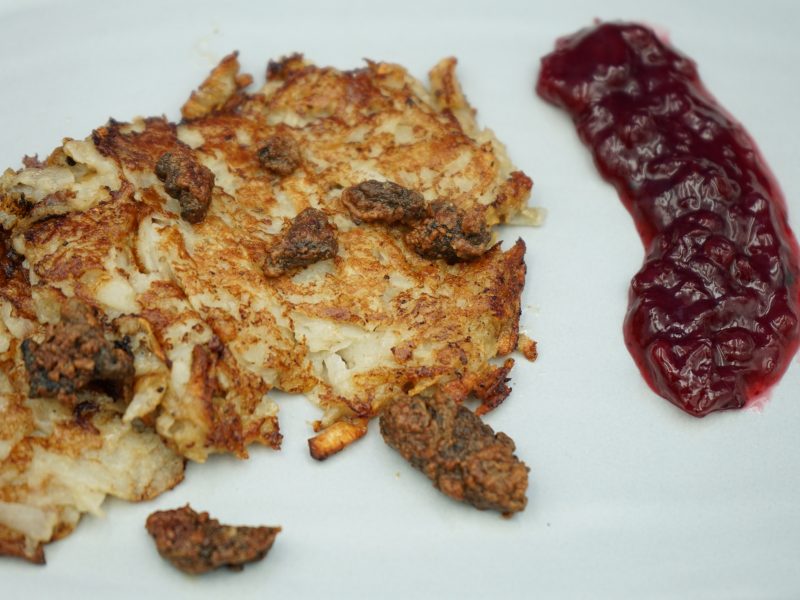
Many countries have their version of potato pancakes and so does Sweden where they call it “Raggmunk”. In Sweden, they are typically served with bacon and lingonberry jam, which we both replaced by wild counterparts for which we already posted recipes previously. We replaced potatoes with Jerusalem artichokes, which are less starchy so this recipe requires a bit more flour then usual to achieve the right binding. In our first batch, we didn’t adjust yet and found out that increasing the amount of flour by 10% resulted in the perfect binding.
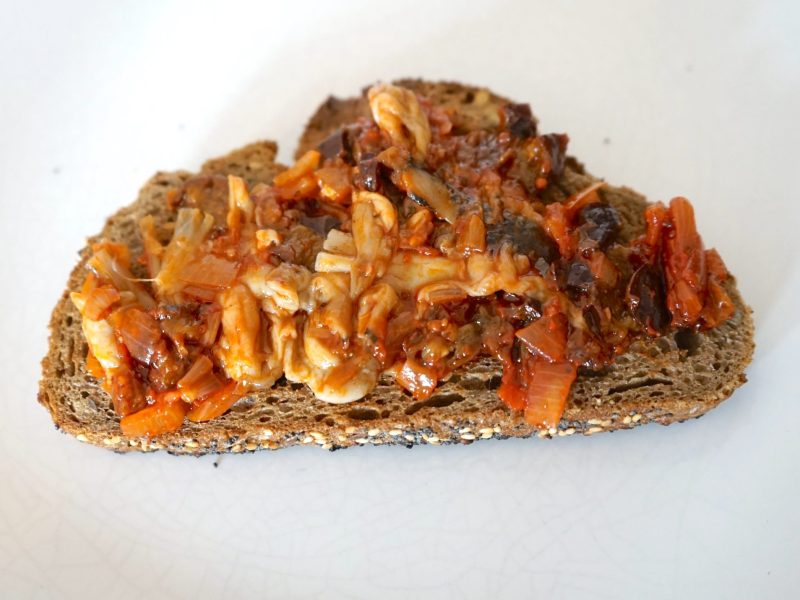
One must have at the Christmas dinner tables in Poland is herring. There are multiple varieties of traditional Christmas herring, including mustard herring, sour cream herring, or Kashubian-style herring. Kashubian-style herring originated in the Kashubian region of north Poland but is also very popular in other parts of this country. The fermented herring is mixed with tomato sauce, aromatics, and raisins or prunes. It can be prepared in advance, a day or two before Christmas because it will develop the flavor with time. In this recipe, we recreated beloved Christmas’ herring using fermented shaggy inkcap mushrooms. We chose shaggy inkcap mushrooms
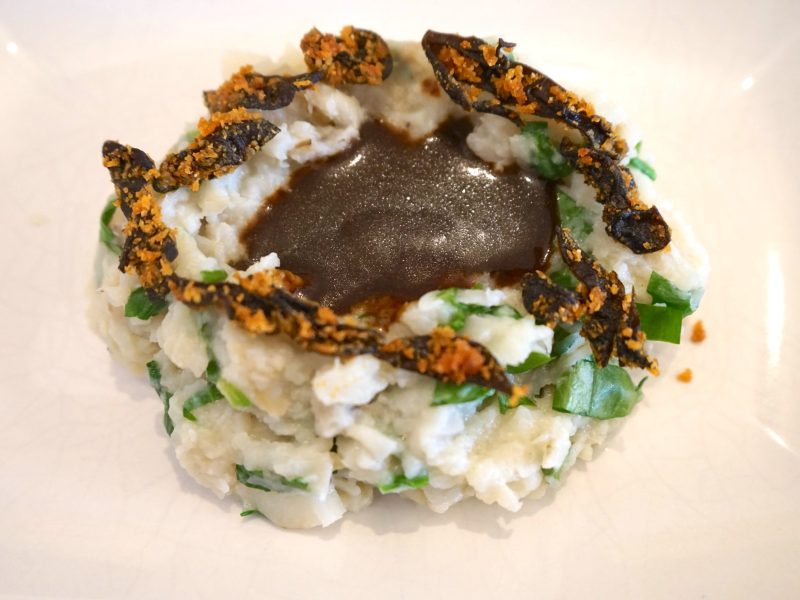
Stamppot is a traditional Dutch dish consisting of mashed potatoes with vegetables, usually some type of leafy greens. In this recipe, we made a wild version of stamppot using mashed Jerusalem artichokes and wild garlic leaves. A classic way to serve this dish is to form a “well” of stamppot filled with gravy in the middle and sprinkled on top with small pieces of crunchy bacon. We used wild versions of vegan bacon and gravy we described in earlier recipes.
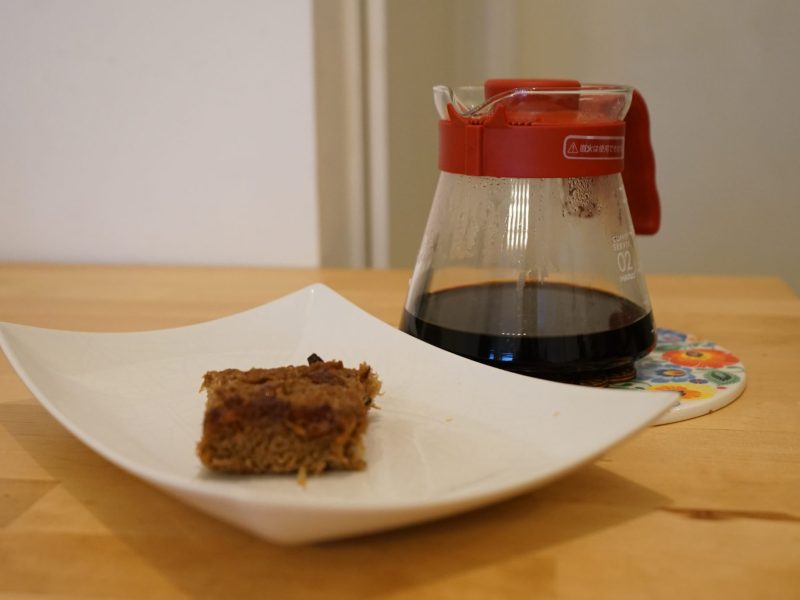
Bojo is a cake which main ingredients are grated cassava root and coconut. Its often eaten on family gatherings and birthdays. Cassava, also known as Jucca, is a popular root vegetable in South America. It is often eaten in savory dishes, similar to how you would use potatoes. But it also works well in cakes because it has some sweetness to it. Cassave used in bojo is grated and because of that it give the cake a unique structure. With an abundance of Jerusalem artichokes (Helianthus tuberosus) in our neighborhood, we tried to come up with creative ways of using
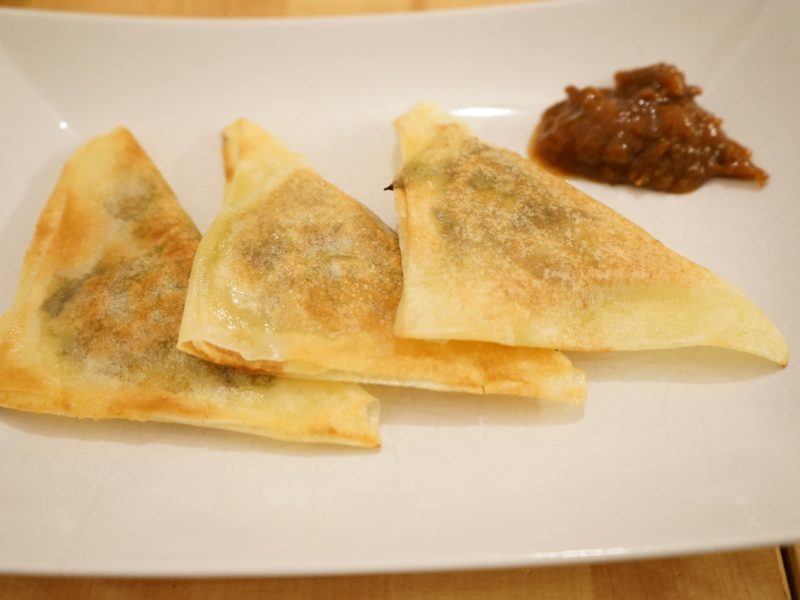
Ka lei kok is a Chinese snack and it literally translates to “Curry triangle”. Usually, it is made with chicken but in this recipe we substitute the chicken with a mix of two winter mushrooms: the Oyster mushroom (Pleurotus ostreatus) and the Velvet shank (Flammulina velutipes) also (not entirely accurately) called Enoki. Both mushrooms can be found on dead and decaying wood. Velvet shank (Flammulina velutipes) left, Oyster mushroom (Pleurotus ostreatus) right. The oyster mushroom, which you can find in the wild during winter, is a closely related mushroom to the one found in the supermarket. The main difference between
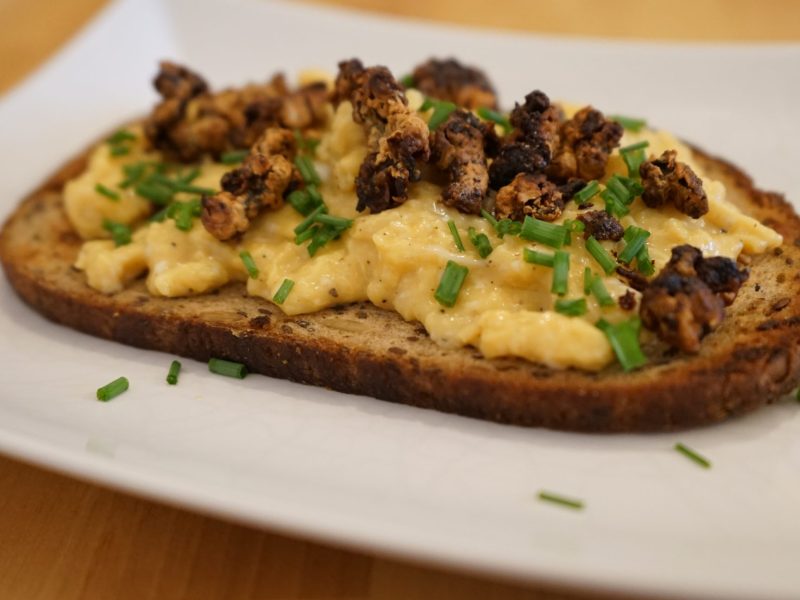
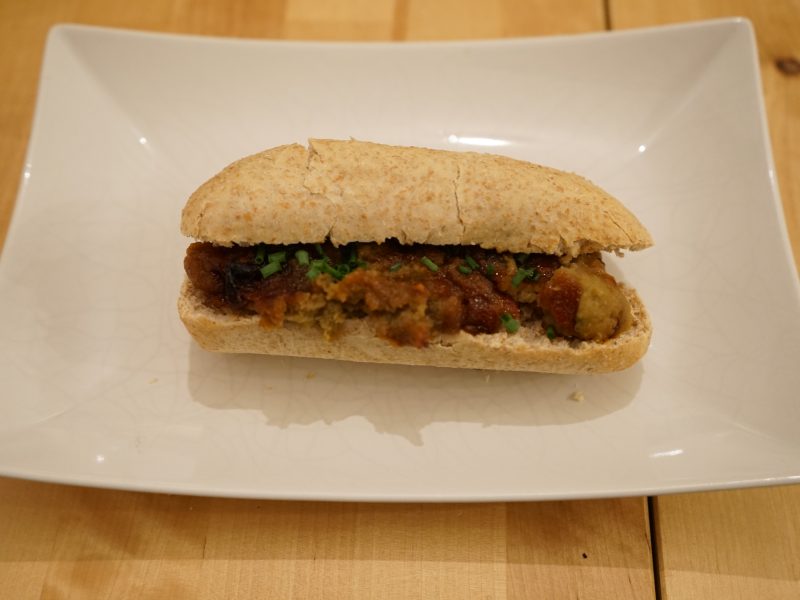
This recipe is about doing something creative with a bit of an obscure winter mushroom: Black Witch’s butter (Exidia glandulosa). It is not exactly known as a mushroom with high culinary value, it can however be used to create a vegan bacon substitute. Its neutral taste and soft texture lend it self well for this application. The mushroom can be found all year round, mostly on oak trees. However, the ideal season for it is in the winter, when there is not much else. Black Witch’s butter can survive frost as you ca see on the picture below. Black Witch’s
Pom is a Surinamese casserole made from the roots of pomtajer (Xanthosoma sagittifolium) with pieces of chicken, flavored with citrus juice, celery, and stock cubes. It originates from a potato-based dish introduced by European Jews, who came to Surinam in the 17th century. Pom is typically made on special occasions such as holidays or birthdays. Perhaps, this is due to practical reasons because, with a cooking time of around two hours, it is not exactly a quick dish. Pom is most often served with white rice or on a sandwich. We made a wild and vegan adaptation of this dish

Mushroom-sauerkraut dumplings are one of the most iconic Christmas foods in Poland. They are usually eaten during Christmas Eve dinner. Dumplings’ filling is made of some type of boletus mushroom (porcini (Boletus edulis) is the most valued) and sauerkraut. The stock you get as a result of cooking the mushrooms is often used as a base for a Chrismas mushroom soup. We used the mushroom stock for a wild Jerusalem artichoke soup.