
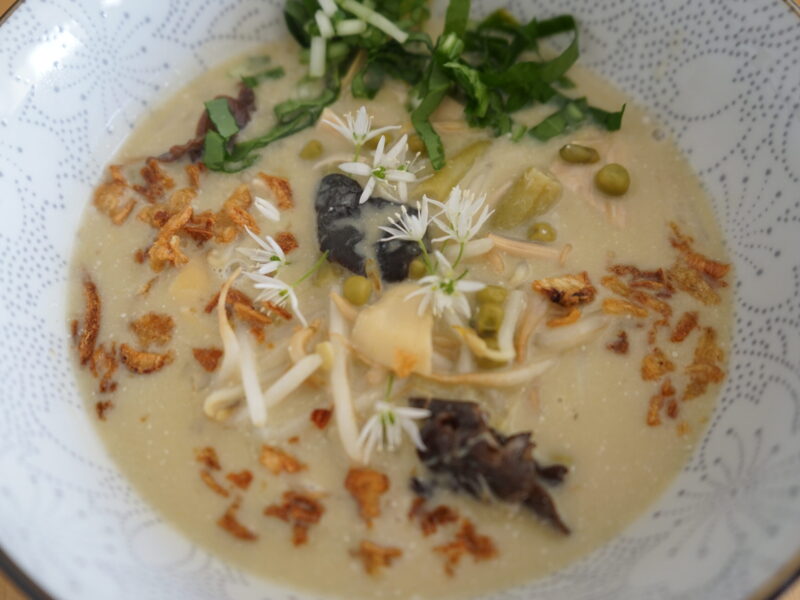
Japanese knotweed is an excellent spring vegetable for soup. Two years ago, we made a more filling ground elder-Japanese knotweed soup topped with St. George mushrooms. In this year’s recipe, we combined Japanese knotweed with coconut milk, creating a light, creamy, curry-like, fresh soup. We combined Japanese knotweed with seasonal fresh greens and added dried wood ears, saved during the winter season. For more recipes, see here.
Category: Wood ears
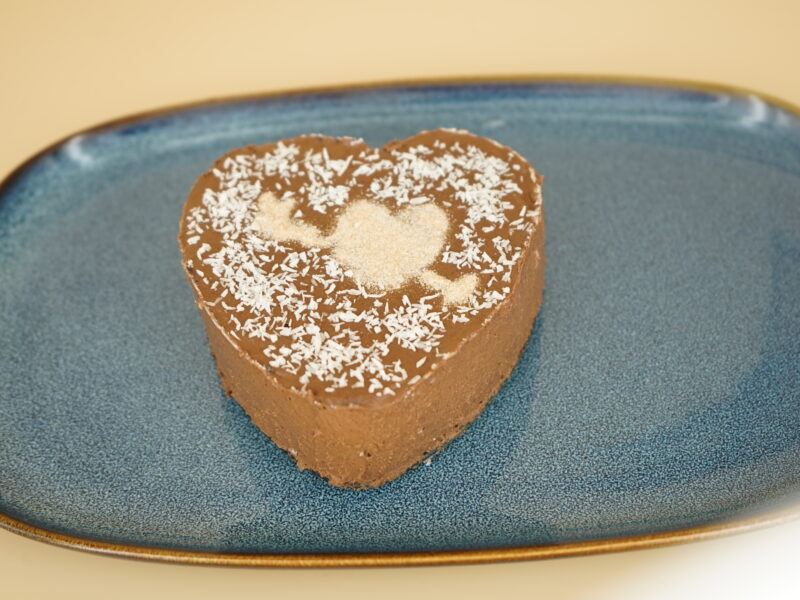
Wood ears (Auricularia auricula-judae) are a very versatile mushroom, as this recipe proves. They have no distinct flavor, so they can be used in savory and sweet dishes (for example, as thikening agent: https://chefofnature.com/?p=959). In this recipe, the mushroom provides a chocolate mousse texture to a Valentine’s chocolate cake.
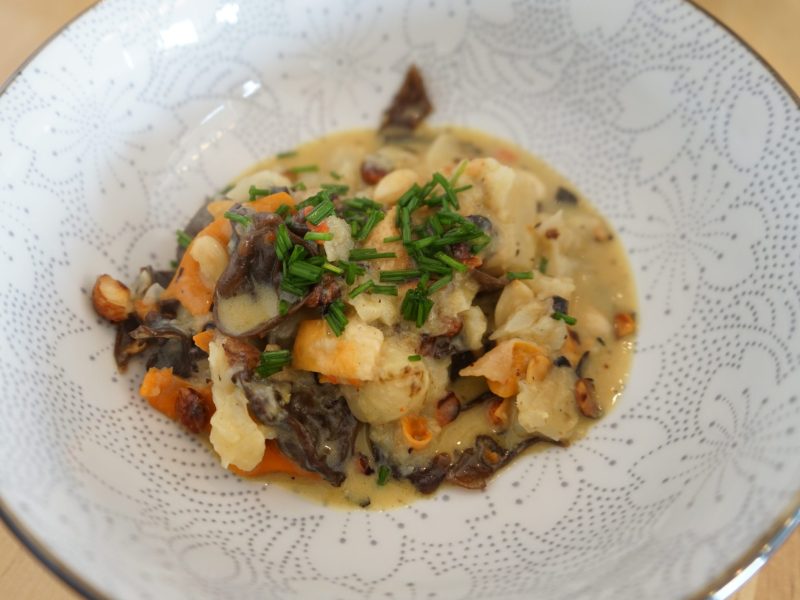
Massaman curry is a famous Thai curry that has been ranked number one in the CNN travel best food of the world ranking. There is some debate about the origin of this dish. The most widely accepted origin story is that this dish has Persian roots. This follows from the name of the dish and its ingredients. The word Massaman could be derived from the old Persian word for Muslim. The dish contains spices that are not common in other Thai curries and the trade in these spices was in the past dominated by Muslims. Key components of this dish
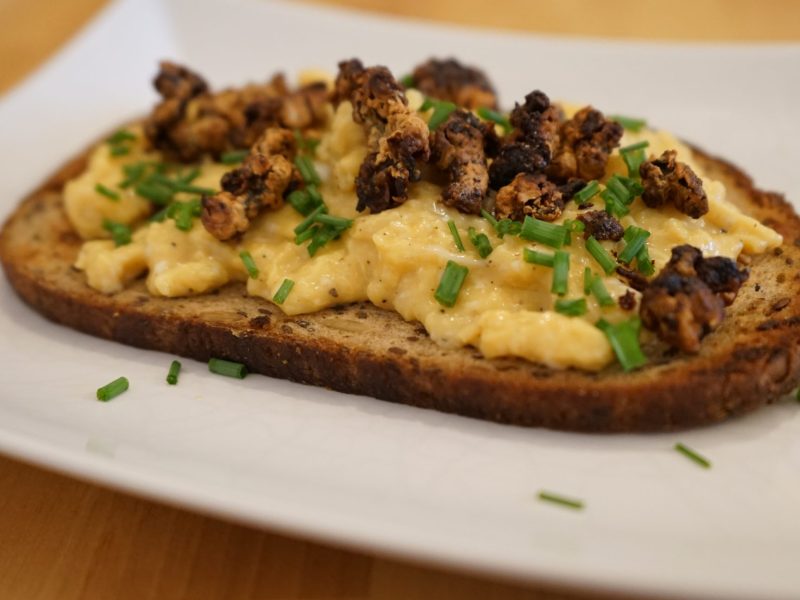
This recipe is about doing something creative with a bit of an obscure winter mushroom: Black Witch’s butter (Exidia glandulosa). It is not exactly known as a mushroom with high culinary value, it can however be used to create a vegan bacon substitute. Its neutral taste and soft texture lend it self well for this application. The mushroom can be found all year round, mostly on oak trees. However, the ideal season for it is in the winter, when there is not much else. Black Witch’s butter can survive frost as you ca see on the picture below. Black Witch’s
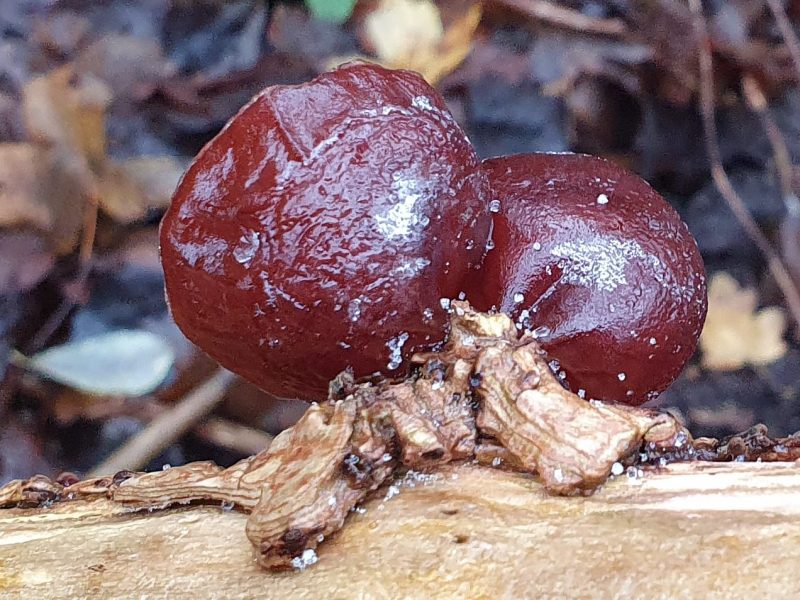
Wood ears (Auricularia auricula-judae) are mushrooms that can be found all year round, mostly when there has been a lot of rain fall. They grow on dying and dead tree part and have a preference for elder trees. Historically, in the west, they were never considered an edible mushroom however in Asia they have been eaten for centuries. In this recipes, we incorporate them in spring rolls. Spring rolls are a snack typically found in most Asian restaurants in the West. They originated from China and there are many varieties. The version we describe here is a Chinese style fried
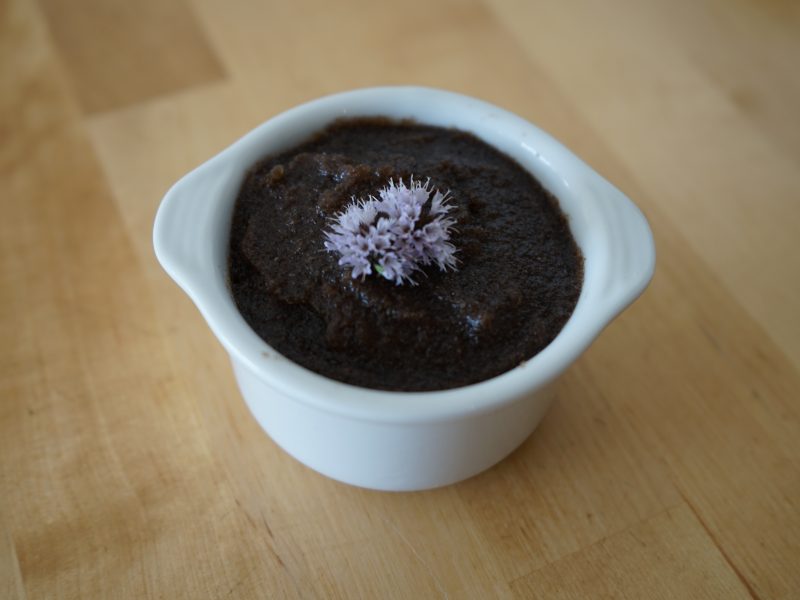
In this recipe, we make a mint-flavored jelly using wild water mint (mentha aquatica) and woodear mushrooms (auricularia auricula-judae) for gelatinization. Water mint is just one of the many kinds of wild mints. As its name suggests can be found close to water. It has purple flowers, which have a ball-like shape. Watermint (mentha aquatica) left and wood ear (auricularia auricula-judae) right Wood ears are amazing mushrooms. They are commonly used in Chinese cuisine in stir-fry dishes or salads. However, they also grow in Europe for most of the year when its not too warm. As the name suggests they